Gherkins: the superfood straight from the heart of Europe
Every nation has that food that one dreams of when away from the homeland for a long period of time. The Polish are no different – they are haunted by the sour taste and satisfying crunch of pickled cucumbers. Don’t get us wrong – we love chicken rice and laksa but if you go to any Facebook group of Poles living abroad the most common question will be: where can I find pickled cucumbers?
The origins of gherkins (pickled cucumbers)
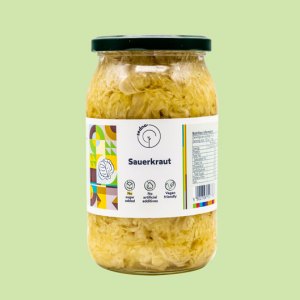
In the old days winters in Poland were harsh (we are talking temperatures 20 or 30°C degrees below zero) with lots and lots of snow. As you can imagine vegetables do not grow in frozen soil so our ancestors had to come up with a way to preserve them. In the summer they would take fresh cucumbers (or cabbage if they wanted to make sauerkraut) and put them in large wooden barrels.
How gherkins are naturally fermented


The health benefits of gherkins
Naturally fermented foods like cucumbers, sauerkraut or kimchi can help keep your gut healthy. When you open the jar, you should see bubbles on the surface, a sign of live bacteria also known as probiotics inside. The fermentation process is dependent on the Lactobacillus bacteria that naturally occur on the skin of a cucumber.