




Join our mailing list and get all the latest products & offers!


 The basic process is easy: you place cucumbers in brine made of clean water and salt and make sure that they are submerged as the entire process is anaerobic. Anaerobic means no air and this is how the good bacteria grows, without air, pretty much like in your gut. The big wooden barrels were somewhat awkward to move around so we replaced them with glass jars. You can add garlic, horseradish and whole dill stems which is why they are also known as dill cucumbers. Every Polish family has their own recipe. Some add oak or cherry tree leaves, some like it with more pepper or whole all-spice berries, some more salty. But it all boils down to the process of fermentation. The basic version is ready in just a week (we call them low-salt cucumbers) but you can also leave them to ferment for months. It is a natural process and pickles, if stored properly, don’t go bad. Fermented pickles can also be made with beets, cauliflower, radishes, carrots or even tomatoes, almost an endless variety of vegetables.
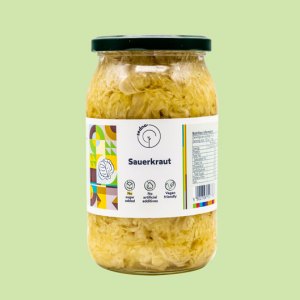
 Naturally fermented pickles are not only packed with the good bacteria but also high in nutritional value. For example dill pickles have lots of vitamin K, which helps your blood clot and keeps your bones strong; vitamin A, important for your vision and immune system; calcium that adults need for strong bones and teeth; potassium which helps your nervous system work properly; vitamin C an antioxidant that protects your cells from damage. Let’s have a look at sauerkraut. Similarly to pickled cucumbers it contains vitamin K and C, calcium, potassium but also iron which gives you energy and focus; folate an essential nutrient for protein and vitamin metabolism; copper that helps maintain healthy bones, blood vessels, nerves, and immune function and vitamin B6 that benefits the central nervous system.
| There are no products |
Subscribe now to keep reading and get access to the full archive.